WELCOME TO
ONLY ONE SAFARIS
Where Time Finally Belongs to You
WE ARE
Only One Safaris
We were not always safari people. In fact, we were just like you—high-achieving professionals who heard about “safaris” and thought, “I’ve seen it already on TV, who needs to see it in the flesh.” Until one day, we tried it ourselves.
And everything changed.
It was not a vacation. It was a full-on reset. A mental, emotional, and spiritual shift. Something about the rhythm of nature, the stillness of the land, the way time stretches in the African wild—it reordered our perspective on everything.
Now, 20+ years later, we are the team behind Only One Safaris: A boutique, expert-led safari company founded by professionals who have lived and curated unforgettable African experiences since the early 2000s.

EXPLORE AFRICA
Our Destinations
We have personally experienced every lodge, every route, every moment we recommend.
From the vast plains of Kenya to the waterways of Botswana, we will match you with the perfect destination for your dream safari.
Mozambique: The Ultimate Coastal Wilderness
Mozambique represents the frontier of luxury coastal travel in Africa, offering an untouched alternative to more crowded Indian Ocean destinations. With its sprawling coastline and protected marine sanctuaries, the country provides a sophisticated blend of adventure and seclusion. Our itineraries prioritize the private islands of the Bazaruto and Quirimbas Archipelagos, where the focus remains on marine conservation and high-tier exclusivity.
We specialize in the “Bush and Beach” transition. Mozambique is the natural extension for a southern African safari, allowing guests to move from the dusty savannas of the interior to the turquoise waters of the coast in a single day. This creates a balanced journey that pairs intense wildlife tracking with profound coastal relaxation.
Zambia remains one of the few places in Africa where the wilderness feels truly frontier-like and undisturbed. It is the birthplace of the walking safari, a tradition that continues to define the country’s high-tier guiding standards and immersive approach to wildlife tracking. Our bespoke itineraries focus on the remote river systems of the Luangwa and the Zambezi, providing a visceral connection to the savanna that is often lost in more commercialized destinations.
We prioritize authentic immersion. By utilizing seasonal bush camps and private concessions, we ensure our guests experience the “Real Africa” away from the constraints of permanent infrastructure. Zambia’s commitment to low-impact tourism and expert-led exploration makes it the premier choice for seasoned travelers seeking a sophisticated but gritty wilderness encounter.
Zimbabwe is frequently cited by industry experts as the premier destination for authentic, high-tier safaris. This reputation is built upon the country’s rigorous professional guiding examinations, which are the most demanding on the continent. Our bespoke itineraries leverage this expertise, focusing on the remote floodplains of Mana Pools and the vast elephant corridors of Hwange to provide a deeply educational and visceral wilderness experience.
We prioritize raw, unfiltered encounters. Zimbabwe offers a sense of space and seclusion that is increasingly rare in East Africa. Whether you are tracking lions on foot in a private concession or navigating the Zambezi by canoe, the focus remains on high-level safety and a profound understanding of the savanna’s ecology.
Namibia offers some of the most surreal and ancient environments on Earth, characterized by its vast, open spaces and dramatic geological formations. It is a destination defined by silence and scale. Our bespoke journeys focus on the towering dunes of Sossusvlei, the desolate Skeleton Coast, and the wildlife-rich Etosha Pan, ensuring a seamless transition between these contrasting ecosystems.
We prioritize exclusivity in remote regions. By utilizing private concessions and fly-in safari logistics, we provide access to areas that remain untouched by mainstream tourism. This approach allows for a profound immersion into the Namibian desert, where the focus is on the raw beauty of the terrain and the resilience of its desert-adapted wildlife.
Botswana is widely regarded as the most exclusive safari destination in Africa due to its “high-value, low-volume” tourism model. By limiting guest numbers and permanent structures, the country preserves a pristine, untouched quality across its diverse ecosystems. Our itineraries focus on private concessions within the Okavango Delta and the Linyanti, ensuring your wildlife encounters occur in total seclusion.
We prioritize ecological integrity. Botswana’s commitment to conservation has created a sanctuary for the continent’s largest elephant population and some of its most successful predator-prey dynamics. Traveling here offers a profound sense of isolation and a deep connection to the natural world.
South Africa offers a level of diversity that is unmatched on the continent, earning its reputation as “The World in One Country.” From the high-density predator populations of the Sabi Sands to the cosmopolitan energy of Cape Town, the country provides a multifaceted luxury experience. Our bespoke itineraries focus on the private reserves bordering the Greater Kruger, ensuring exclusive, off-road tracking within some of the world’s most prestigious wildlife sanctuaries.
We prioritize seamless travel between distinct environments. By integrating private bush flights and luxury transfers, we allow you to transition from a sunrise game drive in the bushveld to a sunset dinner on the Atlantic coast within a single day. This structural flexibility makes South Africa the ideal choice for travelers seeking a balance of high-tier wildlife encounters, world-class culinary experiences, and dramatic coastal scenery.
Uganda serves as the geographical transition point where East African savannas meet the West African rainforests, resulting in a level of biodiversity that is unparalleled in the region. Known as the “Pearl of Africa,” the country offers a raw and authentic wilderness experience that caters to those seeking a deeper connection to nature. Our bespoke itineraries focus on the misty heights of Bwindi Impenetrable Forest and the powerful surge of the Nile at Murchison Falls, ensuring a diverse and high-impact journey.
We prioritize exclusivity in remote territories. By selecting luxury lodges situated on the edge of protected ecosystems, we provide a base for intimate wildlife encounters that are both sustainable and profoundly moving. Uganda’s varied terrain allows for a unique “Primate and Plains” combination, where you can track mountain gorillas in the morning and observe tree-climbing lions in the afternoon.
Rwanda has emerged as Africa’s most sophisticated conservation success story, offering an intimate and highly regulated encounter with some of the world’s rarest primates. Known as the “Land of a Thousand Hills,” the country’s dramatic verticality and verdant terrain provide a striking contrast to the flat savannas of neighboring East Africa. Our bespoke itineraries focus on the high-altitude cloud forests and pristine lakes that define this emerald heart of the continent.
We specialize in high-impact, low-volume tourism. By limiting access to sensitive habitats like Volcanoes National Park, Rwanda ensures that every encounter with the mountain gorillas is exclusive and sustainable. This commitment to conservation-led luxury provides our guests with a profound sense of purpose and unparalleled access to the front lines of wildlife protection.
Tanzania represents the ultimate safari archetype, home to the highest concentration of wildlife per square kilometer on the planet. From the endless plains of the Serengeti to the prehistoric depths of the Ngorongoro Crater, the country offers a scale of nature that is difficult to replicate. Our bespoke itineraries focus on maximizing your exposure to the Great Migration while ensuring your accommodation provides a sanctuary of luxury away from the primary tourist transit routes.
We emphasize geographical diversity. Tanzania allows for a rare combination of high-altitude trekking on Mount Kilimanjaro, world-class big cat tracking on the savanna, and a sophisticated retreat to the white-sand beaches of Zanzibar. This multi-layered environment ensures that every journey can be tailored to balance intense exploration with refined relaxation.
The Ultimate Luxury Safari Experience!
Kenya is the definitive African safari destination because it offers the highest density of iconic wildlife and the most established luxury infrastructure. It is where the modern safari began. Our bespoke itineraries bypass standard tourist routes, offering an intimate connection to these legendary ecosystems through private, off-road access.
We prioritize exclusivity. While public parks face heavy traffic, our guests reside in private conservancies where the ratio of wildlife to vehicles is strictly managed. This ensures a quiet, profound encounter with the wild.
WHY US
Why Choose Only One Safaris

Immersive Luxury
Experience Africa’s wilderness through our carefully selected luxury camps and lodges that blend comfort with authentic wildlife encounters.


Intimate Knowledge

Tailored Journeys

Cultural Connection
TRAVEL IDEAS
Itineraries
What people say about us
Recommendations
“I have had the pleasure of working closely with Mark for many years, and our collaboration has always been seamless and rewarding. Mark’s deep knowledge of Africa, combined with his professionalism and genuine passion for creating unforgettable journeys, makes him stand out in the safari industry.
He has an exceptional ability to design tailor-made safari experiences that balance comfort, authenticity, and remarkable wildlife encounters. The driver/guides he personally trains deliver outstanding service, share a wealth of wildlife knowledge, and go the extra mile to ensure every guest’s experience is truly special.”
Jeanette De Jong
Product Manager | Riskja Travel
Jeff Stivers
Programme Director for Asia, Africa & the Pacific
REI Adventures
Dale Jensen
Dale Jensen and Associates Manager Gibbs Farm Founder, Karatu Education Fund
Rama Mmasa
Safari Guide
“We would like to thank you very much for the great organization of our Tanzania trip. It was an unforgettable experience with many lasting memories. The people, the varied nature and of course the animals impressed us.
The selection of lodges was excellent and so was the tour planning. The highlight of the trip was our driver Joseph, who grew close to our hearts during our time together. He was well connected, had extensive knowledge and a great way of conveying this knowledge to our children in a vivid way. Joseph made this trip very special.
Family Ott
Tanzania Family Safari - July 2025
2025
“The trip was perfectly organized and structured from start to finish. Thanks to the meticulous vouchers and the accompanying travel program, we really didn’t have to worry about anything else. We are so happy and grateful that we came to you this spring! Initially just to get some inspiration. But honestly, handing over our honeymoon to you was the best thing we could have done! THANKS!
It was our first trip to (South) Africa, but we will come back. Maybe to Namibia next time, but definitely Cape Town again. We fell in love with this city and felt at home. South Africa enchanted us. Also, because we were able to travel so relaxed and carefree.”
Katja and Uwe
South Africa and Mozambique – November 2022
2022
“Our stay in the Okavango Delta was indescribable! Everything was just great, and we had highlights every day. The journey in the small plane was an adventure, the reception by Sedic, our guide, was very warm-hearted and focused only on us. We could ask for anything and he tried to make it possible. We really saw everything one could wish for on our safaris. Prides of lion eating, single male lions, male lion brothers, wild dogs, a leopard cub with mom, and much more. Our accommodation left nothing to be desired and also the very personal care by our guide Sedic. Simply perfect days in the Okavango Delta.”
Kathleen, Lennard and Lotta
Namibia, Botswana, Zimbabwe – August 2023
2023
Andreas and Mechthild
Kenya – Rwanda – Tanzania – Zanzibar – February 2025
2025
Heike and Thomas
South Africa – 2019
2019
Andreas and Yvonne
Kenya – May 2022
2022
BLOG
Safari Stories & Insights
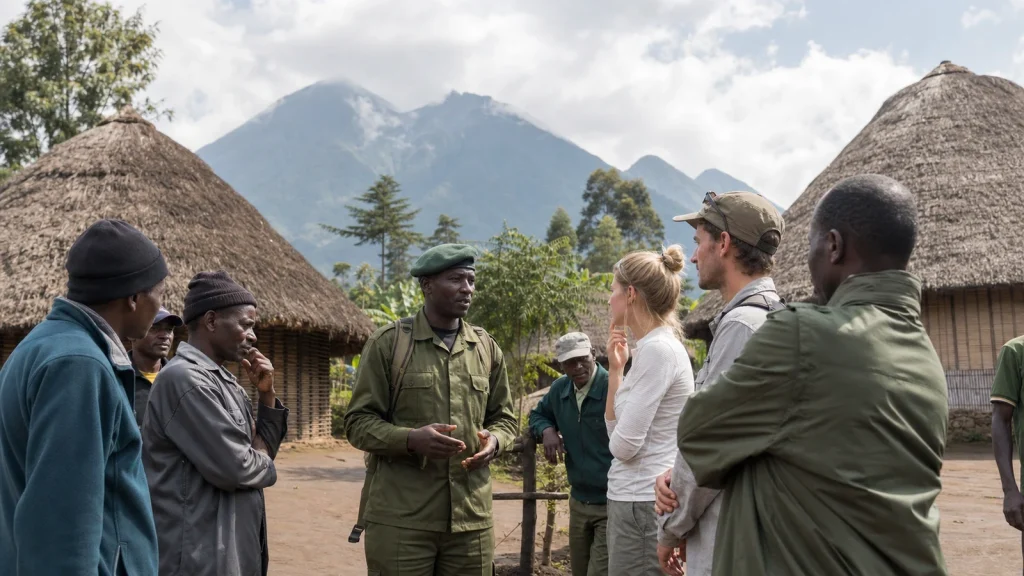
Community Projects: Iby’Iwacu Village
Iby’Iwacu Cultural Village sits at the edge of Volcanoes National Park in Rwanda and employs the people who used to poach the gorillas as cultural guides, performers, and hosts. It is one of the most direct and honest examples of conservation-through-community in Africa – and a genuinely enjoyable two hours before or after a gorilla trek.
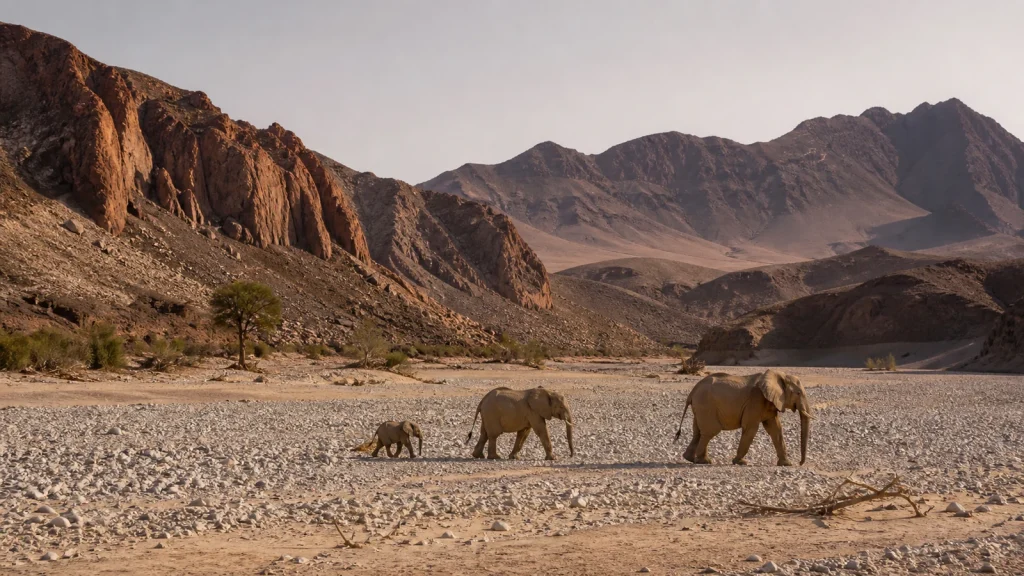
Kaokoland: The Final Frontier
Kaokoland is the remote northwestern corner of Namibia where the GPS stops being reliable, the tracks disappear into riverbeds, and desert-adapted elephants walk routes that haven’t changed in centuries. It is one of the last genuinely wild places in southern Africa – and Hoanib Valley Camp is the base that makes it accessible without making it easy.
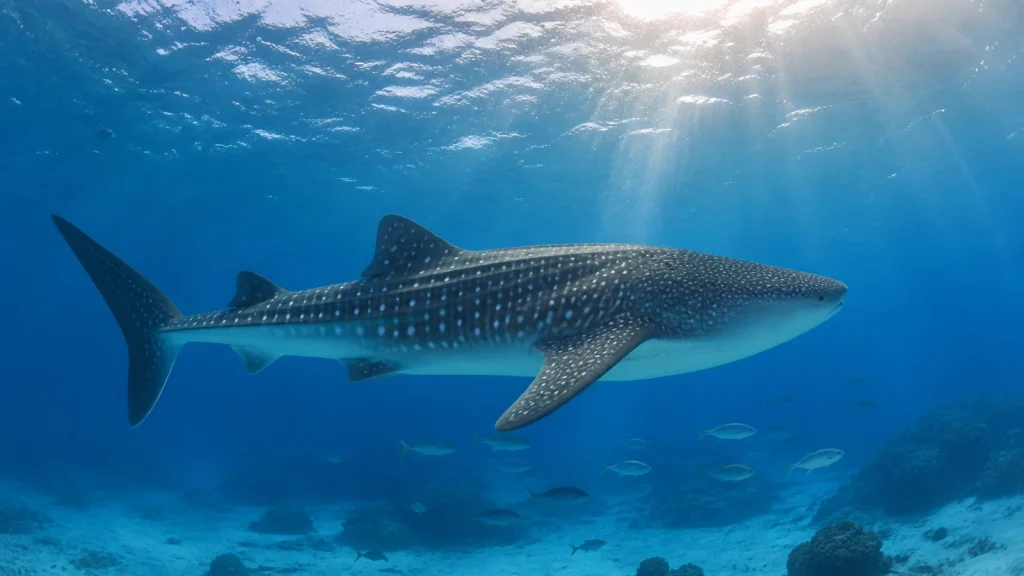
Marine Big 5: The Ocean Safari
Everyone knows the land Big 5. Mozambique’s Marine Big 5 – whales, whale sharks, manta rays, dolphins, and turtles – operates on the same logic and delivers encounters that are, in several cases, impossible to replicate anywhere else in the Indian Ocean. The Mozambique ocean safari is one of the most underbuilt itinerary concepts in Africa.
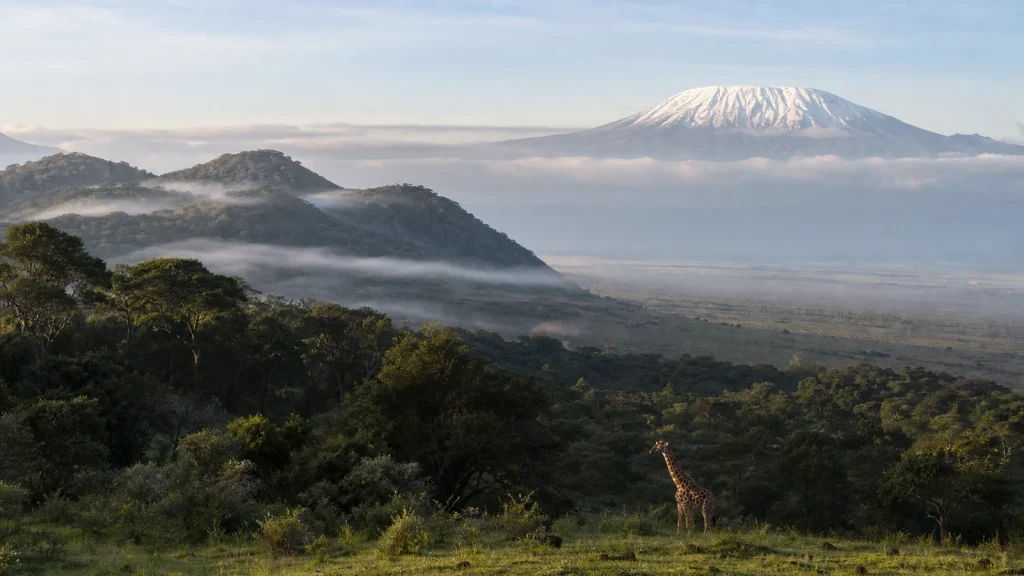
Hemingway’s Kenya: Chyulu Hills
The Chyulu Hills are a range of young volcanic mountains in southern Kenya, draped in mist, covered in green highland forest, and sitting with a direct view of Kilimanjaro on a clear morning. Hemingway called them the Green Hills of Africa. They still look exactly like that.
CONTACT US
Let's Create Your African Adventure
Have questions about planning your safari? Want to discuss your dream African adventure? We are here to help you create the perfect journey.
